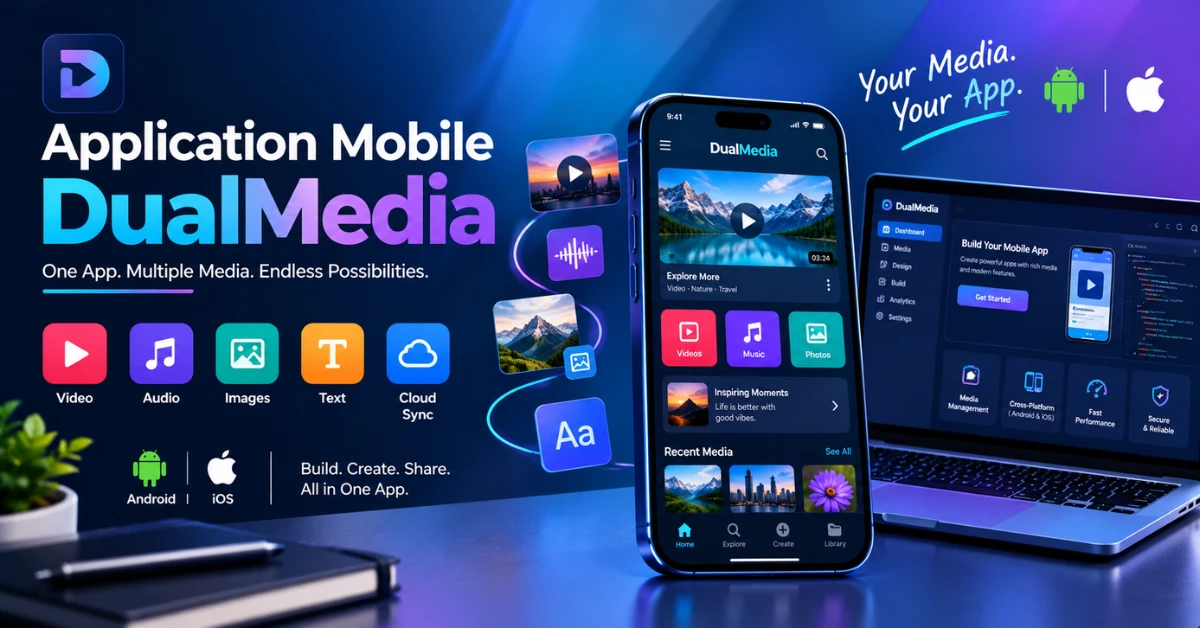
Looking for a clear answer on application mobile dualmedia? You’re in the right place. This guide breaks down what it means, how it works, and what to look for before you build one.
What Is an Application Mobile DualMedia?
What does application mobile dualmedia actually mean? In simple terms, it’s a mobile app built to handle two or more media types at the same time. Think video plus chat. Or audio plus live sharing. One app, many jobs.
The Core Idea Behind DualMedia Apps
The goal is simple: stop the app-switching. Instead of opening one app for video and another for messaging, a DualMedia app puts both in one place. This is called multimedia integration, and it’s now common in top apps across social media, gaming, and business tools.
Why the Name “DualMedia” Fits
The word dual means two. Media means the content type — video, audio, text, or images. Put together, DualMedia simply describes an app that blends more than one media format into a smooth, single experience.
More Posts: Linkrify: The Free All-In-One Toolkit for Writers, Marketers, and Developers
How DualMedia Mobile Applications Have Changed Over Time
Mobile apps started small. Early apps did one thing — texting, calling, or basic gaming. Over the years, phones got faster, and people wanted more from a single app.
From Basic Tools to Smart Platforms
Developers added features like cloud storage, video calling, and push notifications. Slowly, single-purpose apps grew into multimedia platforms. This shift is what led to the rise of application mobile dualmedia as a concept.
Why This Matters for U.S. Users Today
In the United States, remote work, online learning, and live shopping have all grown fast. Pew Research reports that most U.S. adults now own a smartphone, and app use for daily tasks keeps climbing. This growth pushes companies to build apps that do more within one screen — exactly what a DualMedia mobile app is built for.
Key Features of a DualMedia Mobile Application
A true DualMedia application shares a few common traits. Here’s what sets it apart from a basic single-purpose app.
Unified Communication in One App
Users can text, call, and share media without switching screens. This keeps the experience smooth and cuts down on wasted time.
Real-Time Media Sharing
Photos, video, and voice clips upload and appear instantly. Speed matters here — slow uploads drive users away fast.
Cross-Platform Compatibility
A strong DualMedia mobile app works well on iOS, Android, tablets, and even smart TVs. This wide reach helps a business connect with more users at once.
Cloud Syncing Across Devices
Messages and files stay updated no matter which device a user picks up. This relies on solid cloud infrastructure behind the scenes.
More Posts:Kylie Jenner Boyfriend: Who She’s Dating Right Now
Benefits of Using an Application Mobile DualMedia
Why do businesses and users care about this app style? The answer comes down to convenience and value.
Saves Time for Everyday Users
Why open five apps when one does the job? A DualMedia platform cuts the clutter. Fewer apps mean less friction and a smoother daily routine.
Builds Stronger User Engagement
Apps that mix video, chat, and interactive tools keep users active longer. More time spent in-app often means stronger loyalty to a brand.
Lowers Business Costs Over Time
Running one strong app instead of paying for several tools can lower operating costs. This is a major reason companies invest in DualMedia app development.
Where DualMedia Apps Are Used Most
Which industries use DualMedia technology? A few sectors lead the way.
Social Media and Content Creators
Live video, stories, and instant messaging all work together on major platforms. This mix keeps audiences scrolling and engaging.
Telehealth and Virtual Care
Doctors now use apps that combine video consultations, secure messaging, and file sharing. This model grew fast in the U.S. after 2020, and it hasn’t slowed down.
Online Learning Platforms
Students watch lessons, chat with teachers, and download files — all inside one app. This mirrors a real classroom, just digital.
Live Shopping and E-Commerce
Shoppers now watch live video demos and buy products without leaving the stream. This trend, called live commerce, is growing quickly across U.S. retail apps.
The Technology That Powers DualMedia Apps
Behind every smooth DualMedia mobile application sits a stack of tools working together.
Cloud Computing
Cloud servers store and sync data instantly. Without this, multimedia apps would lag or crash under heavy use.
Artificial Intelligence
AI personalizes feeds, powers chatbots, and flags harmful content automatically. It works quietly behind every recommendation a user sees.
5G Connectivity
Faster networks mean smoother video calls and quicker uploads. 5G cuts delay, which matters most for live, real-time media.
Data Security Tools
Encryption and two-factor authentication protect user data from being exposed or stolen.
Challenges to Know Before Building a DualMedia App
No app is without trade-offs. Here are the real hurdles teams face.
Development Costs Can Run High
Building a multimedia mobile app takes more time and skill than a basic app. Costs rise with each added feature.
Performance Issues on Older Devices
Media-heavy apps can slow down phones that aren’t built for heavy processing. Testing across devices is a must.
Privacy and Data Protection
Apps that collect personal data must follow rules such as the California Consumer Privacy Act (CCPA). Skipping this step can lead to fines and lost trust.
Content Moderation at Scale
User-uploaded content needs review. Most large platforms combine AI moderation tools with real human reviewers to catch harmful material fast.
How to Choose the Right Partner for DualMedia App Development
Picking a development team matters as much as the tech itself.
Technical Skill Versus Business Guidance
Some agencies focus only on code. Others also help with strategy, growth, and funding support. Know which one fits your goals before signing anything.
Team Size and Response Speed
Smaller teams often move faster and adapt quicker to changes. Larger firms may offer more resources but slower turnaround.
Proven Portfolio and Industry Background
Ask to see past projects. A strong application mobile dualmedia partner should show real, working examples — not just mockups.
Clear Pricing and Timelines
A trustworthy partner gives a detailed quote upfront. Watch out for vague pricing with no clear breakdown.
Support After Launch
Apps need updates and bug fixes long after release. Confirm what post-launch support is included before you commit.
How Much Does a DualMedia Mobile App Cost?
Pricing depends on a few clear factors.
What Drives the Price Up or Down
Feature count, design complexity, and platform choice (iOS, Android, or both) all shift the final cost. More custom features mean a higher price tag.
General Cost Ranges to Expect
A simple MVP (minimum viable product) may cost far less than a full-featured, enterprise-grade DualMedia platform. Always request a written estimate before starting.
What’s Next for Application Mobile DualMedia Technology
The next wave of features is already forming.
Augmented Reality Integration
AR will blend digital elements into real-world views, making video calls and shopping feel more immersive.
Smarter Voice Controls
Voice commands are becoming more accurate, cutting down on typing and manual navigation.
Deeper IoT Connections
Expect DualMedia apps to link with smart home devices and wearables, creating one connected digital experience.
Tips for Picking the Right DualMedia App
A few quick checks go a long way.
Review Security Practices First
Check if the app uses encryption and clear privacy policies before sharing any personal data.
Read Verified User Reviews
Real feedback from other users often reveals issues a company won’t mention.
Confirm It Works on Your Devices
Make sure the app runs smoothly on your specific phone, tablet, or operating system.
Look for Active Updates
Frequent updates usually mean better security and fewer bugs long-term.
More Posts: Tech TheBoringMagazine: What The Technology Section Covers In 2026
Final Thoughts
A DualMedia mobile application brings video, chat, and live content into one smooth experience. It saves time, boosts engagement, and gives businesses a stronger way to connect with users. The right features, strong security, and the right development partner all decide whether a DualMedia app truly succeeds.
FAQ’s
What does application mobile dualmedia mean?
It refers to a mobile app built to handle two or more media formats — like video, audio, and messaging — inside one single platform.
Why are DualMedia mobile apps becoming more popular?
They save time, reduce app-switching, and keep users engaged longer by combining multiple features into one experience.
Are DualMedia mobile applications secure?
Most well-built apps use encryption and two-factor authentication. Security still depends on the specific app and its development team.
Which industries benefit most from DualMedia apps?
Social media, telehealth, online education, e-commerce, and business collaboration tools all rely heavily on this app model.
How much does it cost to build a DualMedia mobile app?
Costs vary widely based on features, platforms, and design complexity. A basic version costs far less than a full enterprise build.
How do I choose the right development partner?
Look at their past work, ask about pricing clarity, check response speed, and confirm what support they offer after launch.
What’s next for DualMedia app technology?
Expect more augmented reality features, smarter voice control, and deeper connections with smart home and wearable devices.

I’m Will Smith, creator of KnockPunJokes.com. I share funny jokes, puns, and knock-knock laughs to spread happiness and brighten everyday moments with humor.